Sunday, August 20, 2006


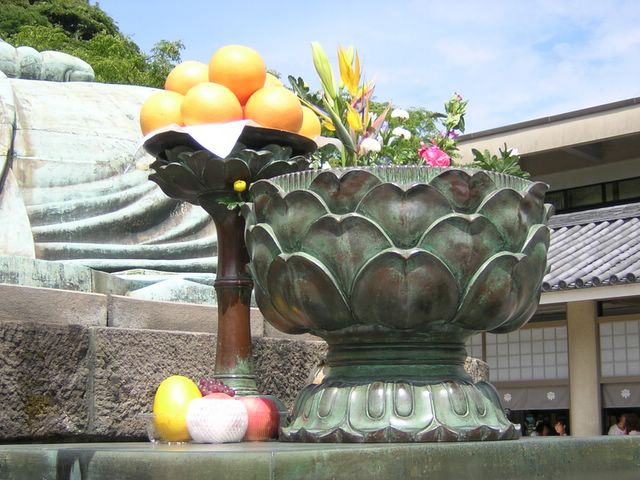
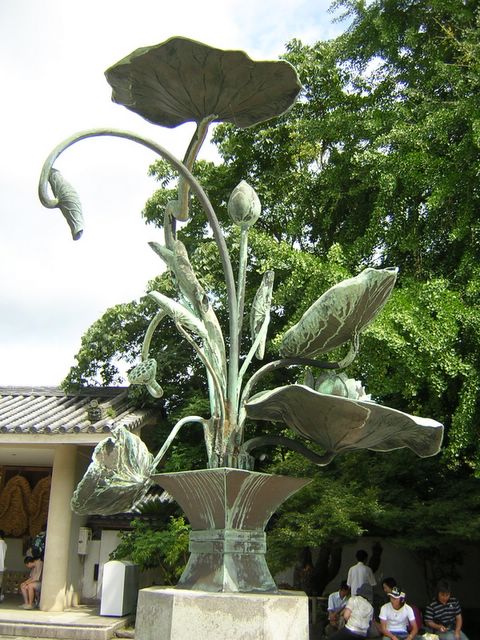
One of two lotus and lily pad sculptures in front of the Great Buddha.

Healing incense, from the Buddha's heart to your lungs.

Hey, even the big guy needs to eat.

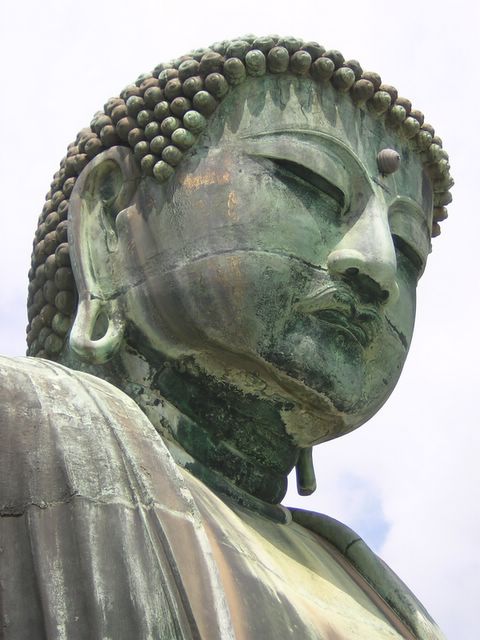
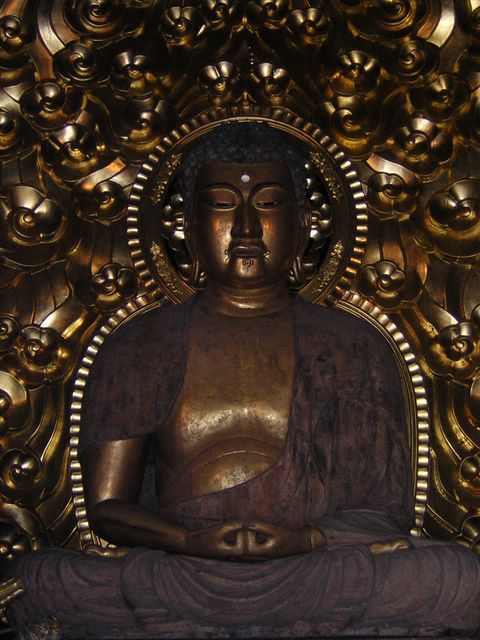
This is the Great Amida Buddha (Daibutsu) of Kamakura, Japan. Built in 1252 AD, the statue is 13.35 meters tall and weighs 121 tons. For comparison, the Dainichi Buddha of Nara was built in 749 and is 15 meters tall (making it the largest Buddha statue in the world). Unlike the Nara Buddha, the Kamakura Daibutsu is completely out in the open, and susceptible to sun, storms, and snow. The Kamakura Daibutsu once had a surrounding temple complex, but the area was completely destroyed by a massive tsunami in 1498.

If this giant Buddha and the giant Buddha in Nara got in a fight, who would you put your money on? I guess Buddhas don't really fight huh?

The Daibutsu was last repaired in 1960-61. During that time, the neck area was strengthened and the base was redesigned to be more tsunami proof (though I think the phrase tsunami proof is an oxymoron).

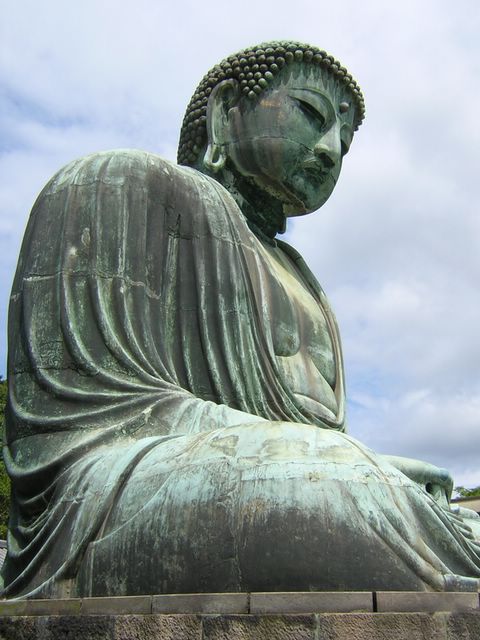
The Great Buddha from the side.

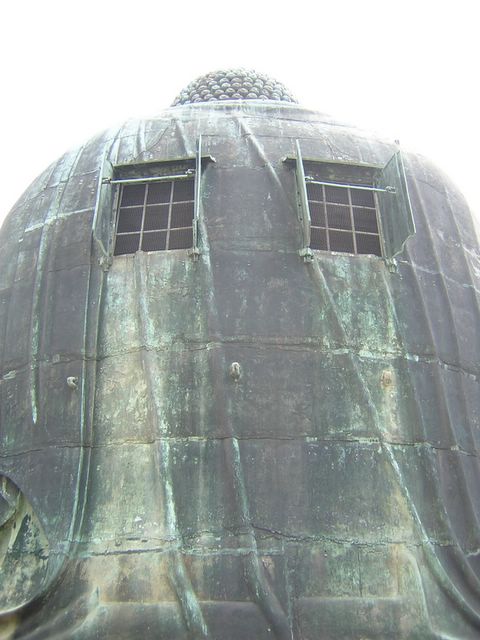
Here is the Buddha's backside. The giant vents on his back remind me of the old Hamburglar play cage at my local McDonald's that I used to play in when I was really young. They should do the same thing here - let kids climb up inside the Buddha's belly and peer out through the windows!

Lotus flower pedals around the Buddha, complete with mantras.

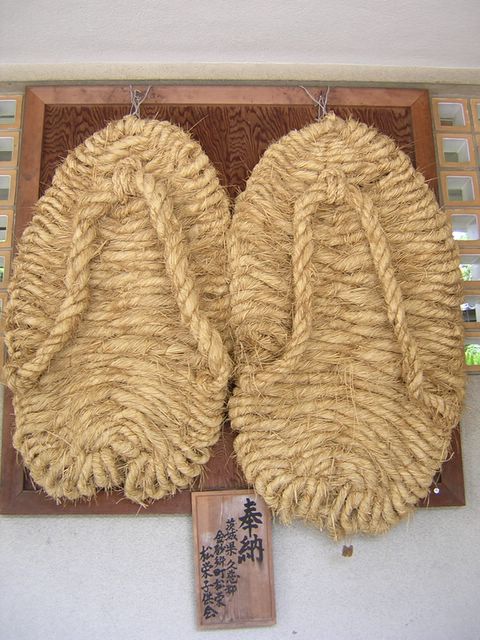
Here are the Buddha's sandals. These are definitely cool, but I really like the 2006 Air-Buddhas with the built in pump better.

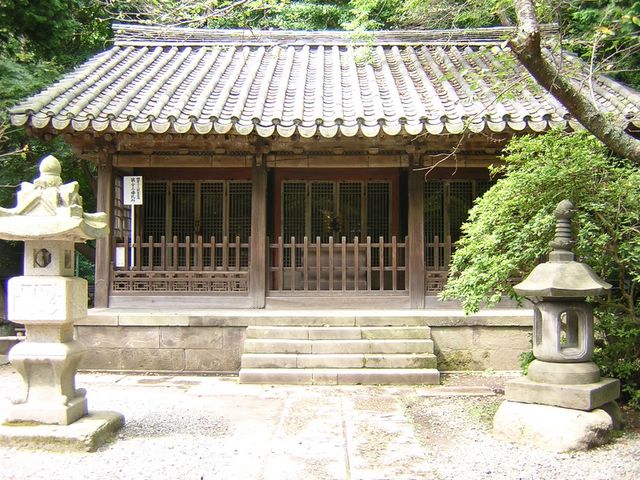
Sorry to end on a whimper, but here is a small building behind the Daibutsu. My guess is that it is a treasure store house, but I don't really know.

The other main attraction in Kamakura is the Great Kannon Temple (a short walk from the Daibutsu). Here is the main gate to the temple, with an annoying Japanese lady who wouldn't leave the frame of my picture. The lantern reads "Hase Kannon," with "Hase" being the area in Kamakura where the shrine is located.

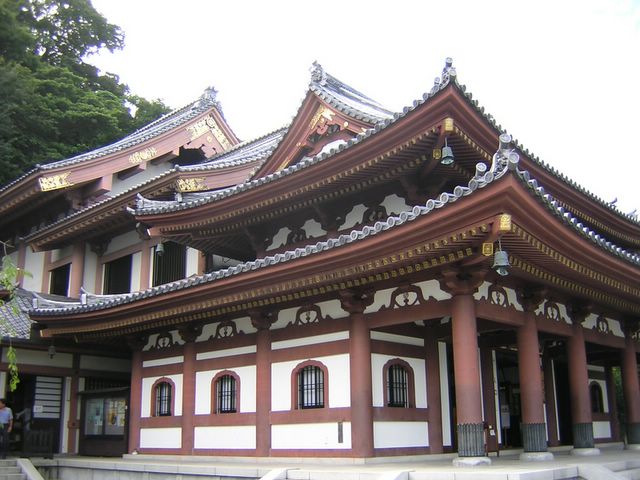
Here is the Great Hase Kannon Hall that houses the giant Kannon image. I thought all the different roofs were neat because they seem to point off in all different directions.

Small statues of Kannon (left) and Jizo (right). These two guys are believed to represent the two moods of one Bodhisattva. Kannon is the stern, but just disciplinarian, while Jizo is the kind and forgiving parent-like figure.

Here is a holy image of the benevolent Bodhisattva Kannon. This small image is NOT the main attraction that makes the temple a giant tourist attraction. The main Kannon statue is 10 meters tall and decorated in gold leaf just like this one. Sadly, pictures were prohibited in the main Hase Kannon Hall, so you're stuck with the little guy.

Another view of the Kannon image.

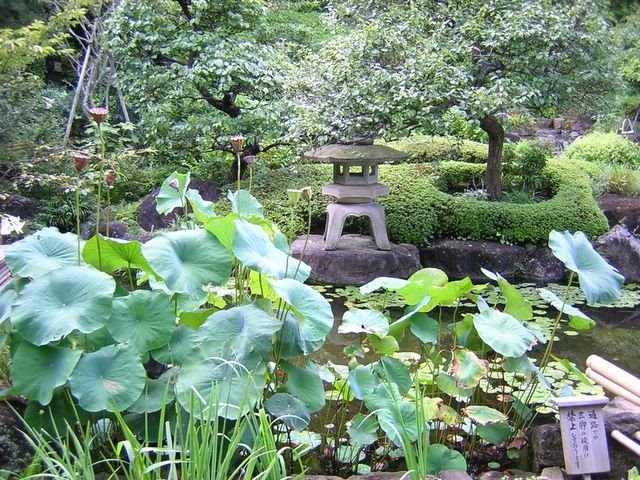
The scenic pond at the Great Kannon Temple in Kamakura. Temple sites in Japan strive for the beauty in their surrounding gardens to be as breathtaking as the actual religious image enshrined.

Another view of the lily pad speckled pond with the baby koi underneath.

Small baby koi fish swimming around in the pond.

Each one of these suckers would net $150 on Ebay. All I need is a net!

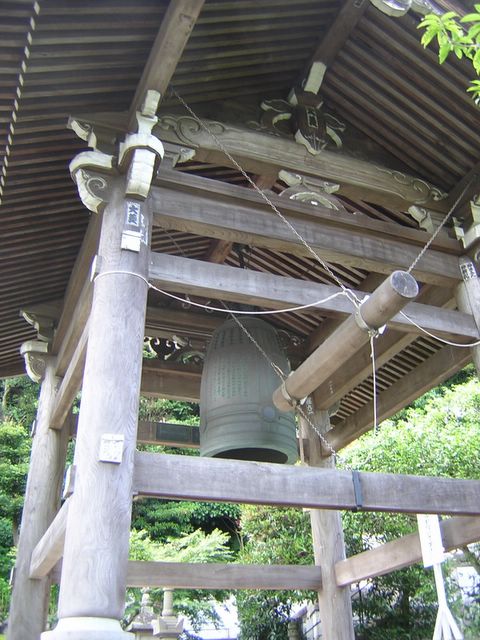
What would a Kannon Temple be without a giant bell? No Kannon Temple you'd ever find me at, that's what.

Here is a small shrine for the rice god Inari and his white fox helpers. I thought the red streamers were very pretty alongside the green trees.

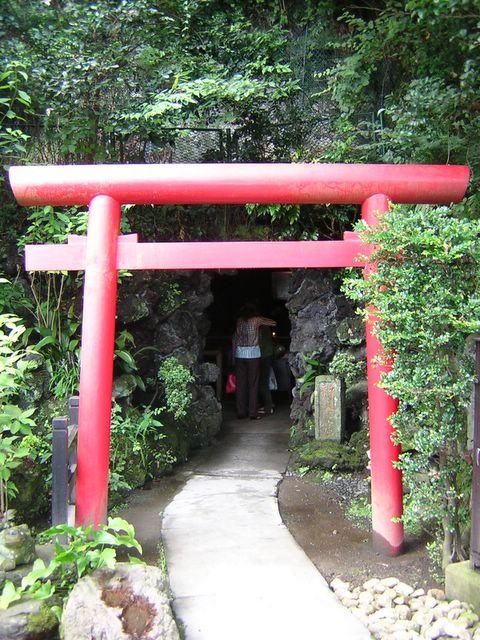
The entrance to a cave at the Kannon Temple. Now you can visit a religious site and pretend you're entering a dungeon in The Legend of Zelda at the same time!

Me walking through one of the cave's dark, damp tunnels. You can't really tell in the picture, but you had to hunch over while walking in the cave so as to not hit your head.

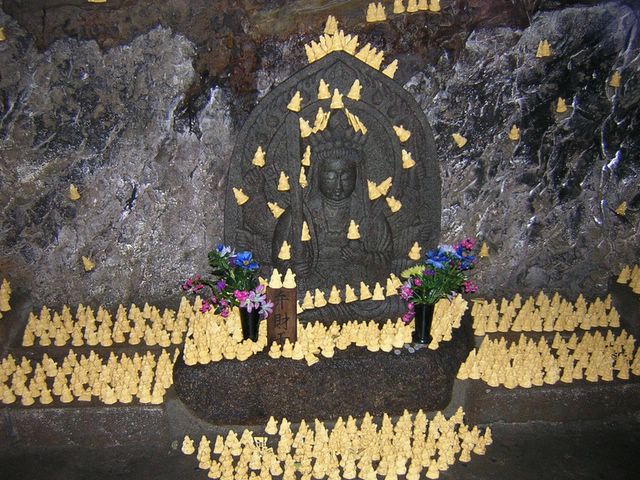
Here is a small room inside the cave with tons of tiny figures of the god Kannon. They look like those old muscleman toys don't they?

Here is a view of Kamakura city and the beach area from the top of the Kannon Temple hill. It was a little overcast, but at least it didn't rain.

Here is the spot where I arrived at the Kamakura beach.

Here's a shot of the Kamakura beach with people. This was taken right in front of the "Maniac Beach" party tent that was blasting techno music for the many shirtless guys and bikini-clad girls and serving up expensive beers. It was like MTV SPRING BREAK!!! Except during the summer...and in Japan...and not associated with a TV station....and

Saturday, August 19, 2006

Victory is mine!


For the first time in my adult life, I actually won something in one of those claw machines (and it only took me two tries)! Here is my newest plush Docomo-dake. This brings my total count up to four Docomo-dakes (one on my cell, one on my backpack, one on my Columbia ID badge strap, and my latest acquisition - this little guy). Now, if I can only win the HUGE Docomo-dake I see some places, I will be a happy, happy man.

Here is a designated smoking area outside of Kichijoji Station with the clever bird-shaped ashtray with a cigarette for a beak. This made me think that Nintendo should create a Pokemon series for adults with characters like this. "Cigaroo I choose you!"

Here is the outside of Columbia Digital Media (CDM) in the city of Kawasaki (near Yokohama). CDM is Columbia's production plant where they print, package, and ship all the DVDs, CDs, and tapes that the company sells (records are produced at a different site). I went on a tour of this factory yesterday. While there were many machines that could print, label, or wrap hundreds of disks a minute, there were still human workers who had to put the disks in boxes and see that the boxes were shipped off correctly.

Friday, August 18, 2006

One Month Left!

Yesterday marked the beginning of my last month in Japan. I will be heading back to the U.S. on September 18th.

B.E.W.

Thursday, August 17, 2006

Bandai Museum Part 1: Superheroes

Here is the Bandai Superhero museum in Chiba. This museum has exhibits on Power Rangers, Masked Rider, Ultraman, Godzilla and others. The museum also had lots of life-size manikins and displays that you could take pictures of. I was very grateful for the two weeks I spent interning in the anime division of Columbia Music. Thanks to my time spent with the anime folks, I am now quite knowledgeable about the history and evolution (not to mention theme music) of the Super Sentai Rangers, Masked Rider, and Ultraman series in Japan. This allowed me to enjoy the museum fully.

All of the video and music materials sold in the gift shop were products of my recently departed Columbia Music anime section (they were selling Psychic Lover’s album as well).

The pictures down below do a much better job of explaining stuff than I can in writing, so what are you waiting for?

Have a look!

B.E.W.
The Bandai Museum from the outside. You can't really see, but there are characters on the front of the building as well.
Here is a blue claw thingy that moves around the ceiling of the museum automatically. This must be from some series, but all it reminded me of are those claw games in the arcade. Ooooooooh the claaaaaaaaw!

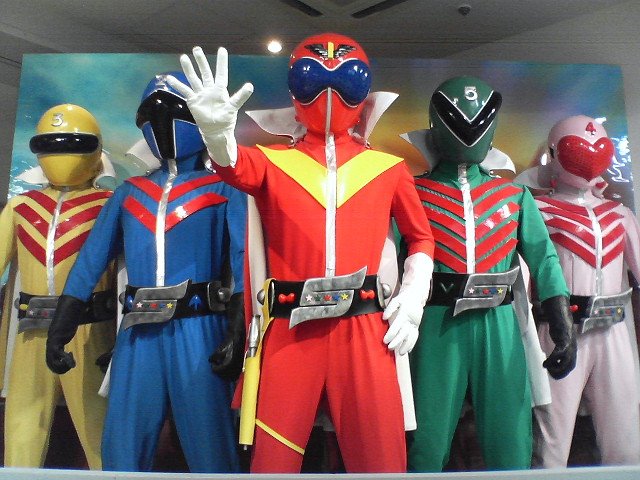
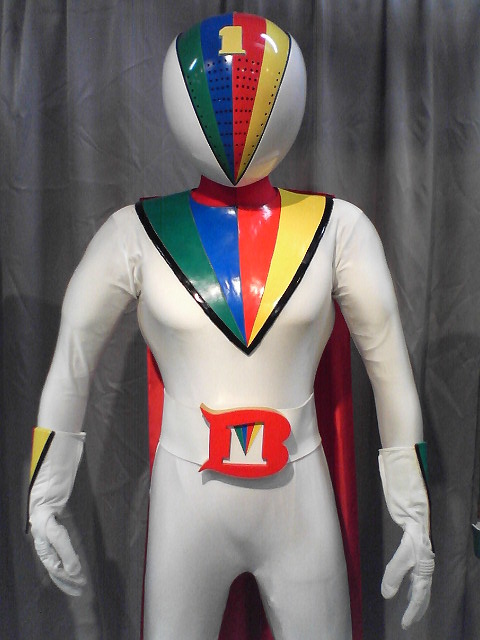
Here are the first five rangers from the original Japanese show which first aired 30 years ago this year. The show was called "Secret Squadron Go Rangers" in Japan (秘密戦隊ゴレンジャー). Since this show was a spin off concept in the same universe as Kamen Rider, the rangers originally rode around on motorcycles just like their beetle masked friend. They sure have changed a lot in 30 years!

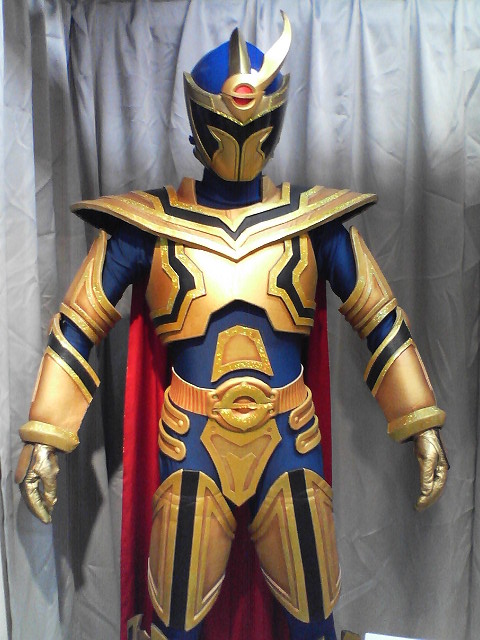
There's a fine line between a cool looking foam and spandex ranger suit, and one that just tries to do too much. I can't help but look at this ranger's flashy suit and think that he has to be compensating for something.

The short-lived gay pride ranger.

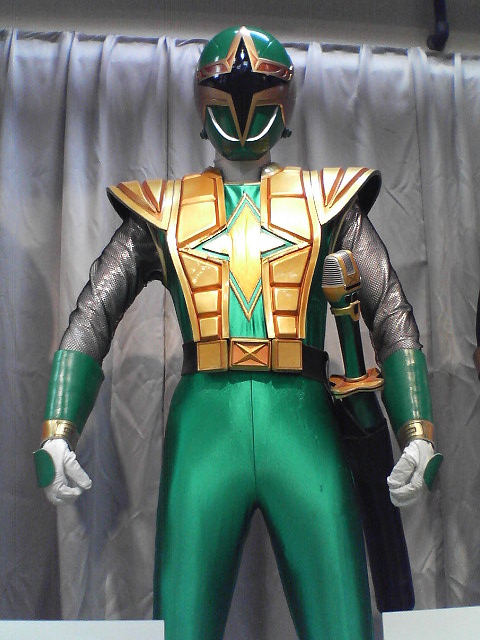
A green ranger...yeah, I guess...but not MY green ranger!

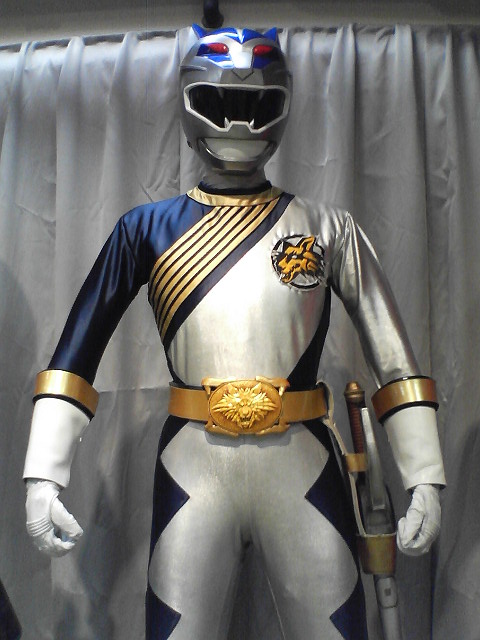
A blue cat-themed ranger. I think this series made it to America in the form of "Ninja Rangers" or something like that. But then again, since all the rangers look pretty similar, I could be wrong.

He doesn't look like a regular Power Ranger. Could he be some sort of evil anti-ranger?

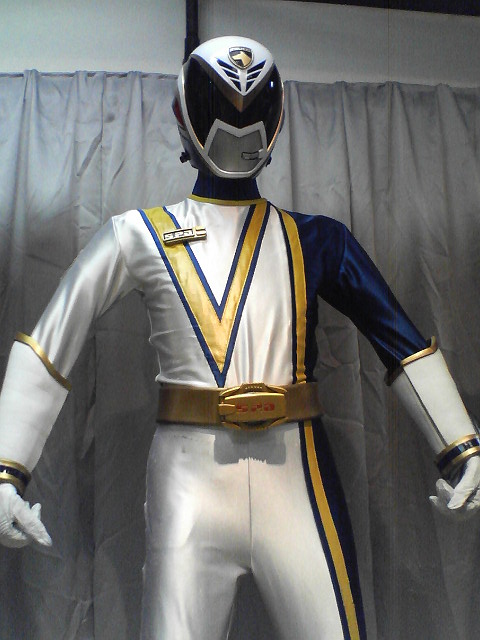
I think this ranger series made it to America in the form of something like "Special Force Rescue Rangers," but I could be wrong.

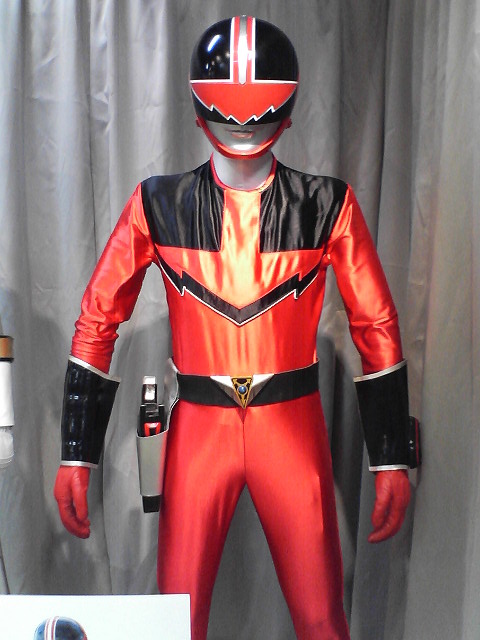
One of the many red Power Rangers. When I told my coworkers in the anime section that I loved the green ranger most of all, gasps were heard. After a pause, one of my coworkers responded, "But everyone is supposed to love the red ranger!"

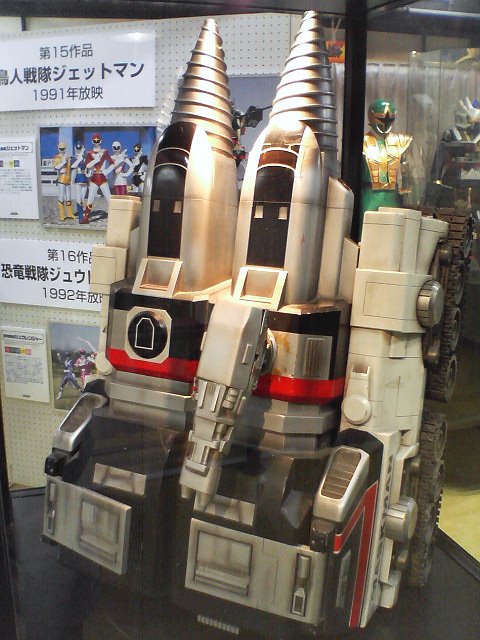
This drilling zord is from the current Go Go Adventure Rangers series in Japan. Japanese footage from this series will be used to create the upcoming 2006-2007 season of the American Power Rangers TV show. Unfortunately, I doubt they will keep Psychic Lover's theme song for the American release.

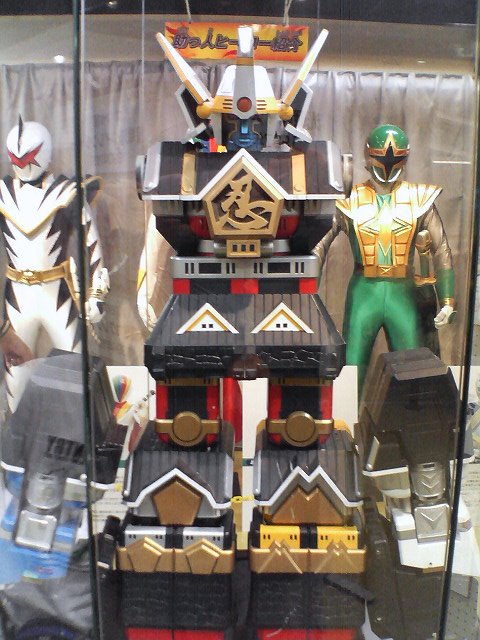
A more Japanese / samurai looking megazord.

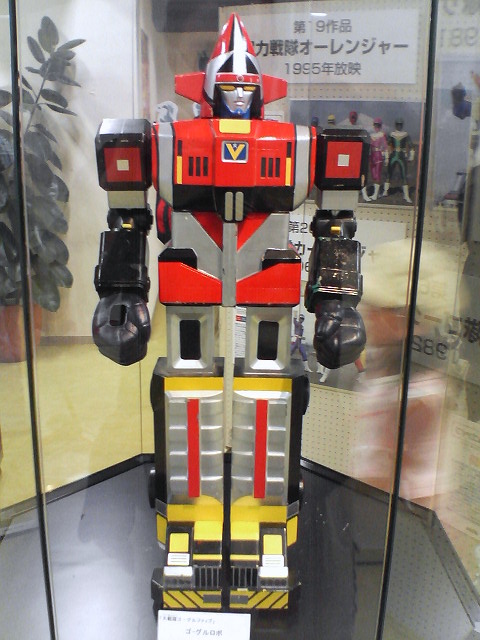
One of the many megazords, fully transformed.

The red ranger's power blaster from the series Bird Jet Rangers in Japan.

The red ranger's power sword from the same series.

A cat head weapon of some sort, obviously used by the red ranger.

Nifty looking Power Ranger swords and assorted slicing weapons.

Power Ranger blasters.

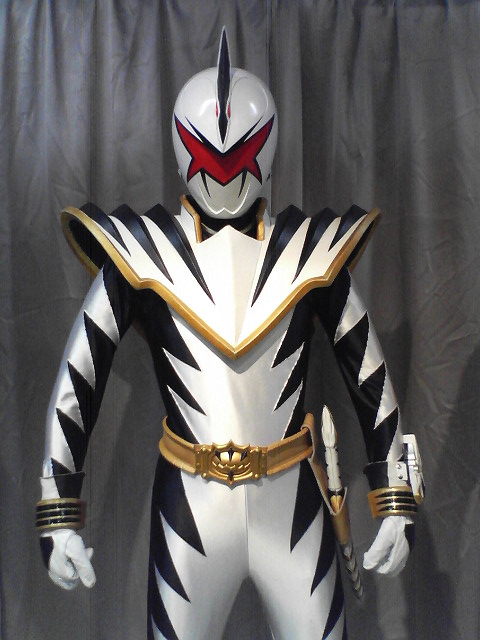
And now, the crown jewel of the Ranger weapons exhibit; Saba. After his green ranger power ran out, Zordon and Alpha 5 turned Tommy into the new White Tiger Ranger. His weapon of Choice was Saba, a short sword with a talking tiger head on the handle named Saba. This is my number (3) Power Ranger's most wanted item. The only thing better would have been the green ranger's dragon flute (2) or better yet the dragonzord itself (1).